
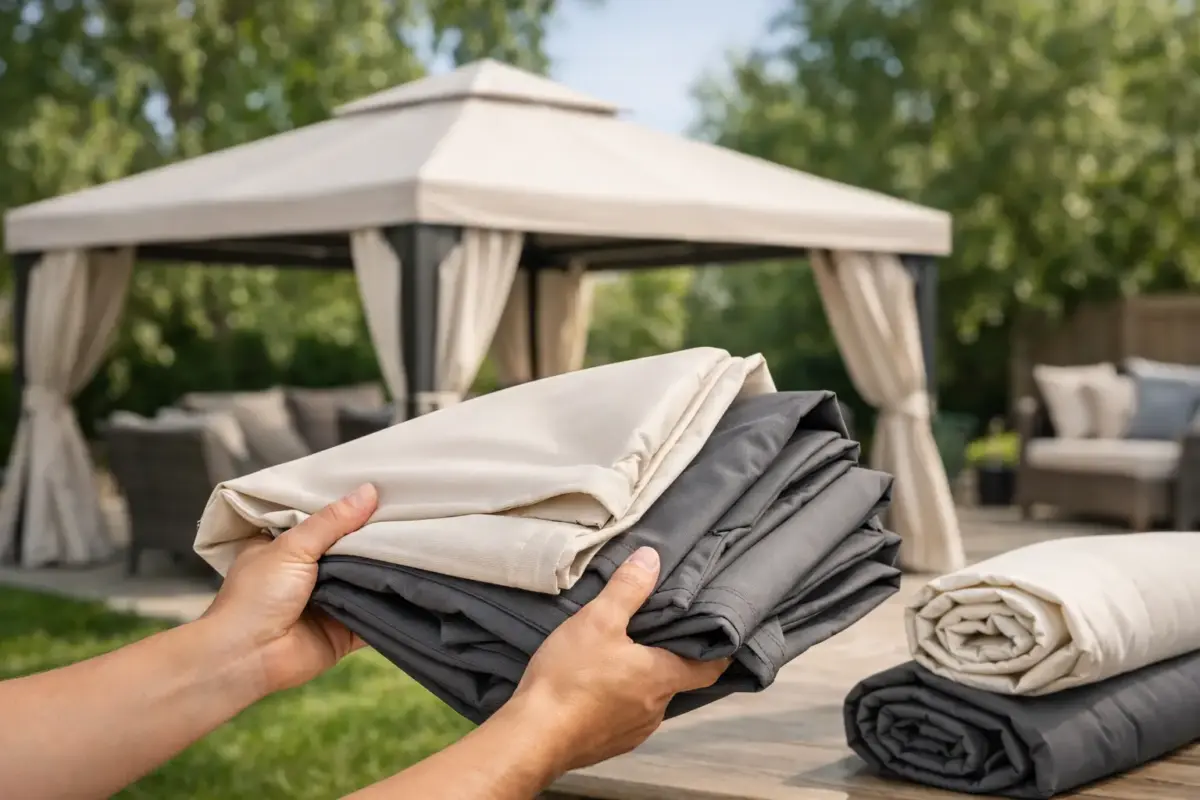
A torn roof at 6 am on market day is not a small problem. It can leave stock exposed, staff without shelter and your branding looking tired before customers arrive. The right replacement gazebo canopy roof gets a proven frame back into service, protects your setup and restores the professional presence your organisation needs outdoors.
For businesses, clubs, councils and event teams, replacement roofs are a practical investment. A quality commercial frame can deliver years of service, while the canopy naturally takes the hardest hit from UV, rain, dust, salt air and repeated pack-downs. Replacing the roof rather than the whole structure can be the smart move – but only if the new canopy is correctly matched to the frame and the way you work.
Replacement gazebo canopy roof: start with the frame
Gazebo roofs are not universal, even when the advertised footprint looks the same. A 3 x 3 m canopy from one supplier may not suit another 3 x 3 m frame. Peak height, truss layout, leg profile, roof pitch, corner fittings and valance depth all affect the fit.
Before ordering, identify the exact frame size and model. Measure the roof line rather than relying only on the ground footprint. Check whether the canopy attaches using Velcro straps, clips, hooks or another fixing method, and note the number and position of roof straps. If you are replacing a damaged canopy, keep it on hand for comparison until the new roof has been fitted.
This is particularly important for commercial operators with heavy-duty frames. Stronger frames often use different truss geometry and reinforcement points than entry-level market gazebos. Forcing an incorrect canopy onto the frame can stress seams, leave loose fabric exposed to wind, or prevent the roof from draining properly.
If the original brand or model is unclear, photographs of the frame, roof corners, trusses and fixing points will help establish compatibility. Mountain Shade can assist with practical product advice where a replacement is required for an existing compatible structure.
Choose fabric for Australian conditions
A canopy roof has two jobs: keep the weather out and keep your operation looking sharp. Fabric choice determines how well it handles both.
For occasional backyard use, a lightweight roof may be enough. For regular markets, outdoor promotions, sporting events, worksites or community programs, a heavier-duty commercial canopy is usually the better call. It will be packed, transported, tensioned and exposed far more often, so material strength and seam quality matter.
Look closely at the fabric construction, coating and stitching rather than buying on colour alone. A suitable roof should provide dependable water resistance, UV protection and a finish that is easy to wipe down after a dusty event. Reinforced stress points are valuable because corners and roof peak areas carry the load when the canopy is pulled tight.
Waterproof does not mean maintenance-free. Any roof can leak if water is allowed to pool, seams are damaged, or the frame is not fully extended. Set the gazebo on level ground where possible, raise the legs evenly and make sure the roof is tensioned correctly. After rain, inspect the canopy before packing it away. Storing a damp roof in its bag is a quick way to create mould, odour and premature fabric damage.
Colour also has a practical impact. Dark colours can make strong branding stand out, but may retain more heat in direct summer sun. Lighter colours can feel brighter underneath, though dirt and marks may show more readily. The right choice depends on whether your priority is customer-facing presentation, staff comfort, sponsor visibility or low-maintenance use.
Match the roof to how the gazebo earns its keep
A replacement canopy does more than cover a frame. It can turn a familiar event setup back into a visible and useful business asset.
For market traders and food operators, a clean, weather-ready roof helps create confidence from the first glance. Pair it with side walls where wind, early sun or passing rain are part of the job. Sporting clubs and race teams may need a high-visibility roof that clearly identifies their group from across an oval, paddock or pit area. Councils, schools and community organisations often need a professional shelter that can be deployed repeatedly by different staff or volunteers.
For promotional teams, a plain replacement may restore shelter, but a custom-printed roof can restore the whole brand presence. Full-colour dye-sublimation printing gives organisations room for logos, key messages, sponsors and distinctive colour treatment across the canopy. It makes sense when the gazebo is used regularly at exhibitions, activations, field days and public events.
There is a trade-off. Printed canopies typically require more planning than a standard colour roof, especially where exact brand colours, logo placement and production timing matter. If an event is close, a standard replacement may be the fastest operational solution. If the gazebo will appear at dozens of events each year, branded presentation can justify the additional investment.
Do not treat wind protection as an optional extra
The roof is only one part of a safe gazebo system. Wind loads transfer through the canopy into the frame, anchors and ground. A strong-looking roof without proper weights and tie-downs is still vulnerable.
Use purpose-built leg weights and suitable tie-downs every time the gazebo is erected outdoors. Pegs can work well on grass and soil where ground conditions allow, while weight plates or water weights are more practical on hard surfaces. Many sites need a combination of both. The correct approach depends on the surface, weather forecast, gazebo size, side-wall configuration and local event requirements.
Never assume a stated wind rating applies to every setup. Wind ratings are tied to specific frame sizes, configurations, anchoring methods and test conditions. Side walls can increase wind pressure, particularly if they are fitted on the windward side without adequate anchoring. If conditions deteriorate, lower the gazebo or pack it down before it becomes unsafe. No canopy is worth damaged equipment, injured staff or a cancelled event.
A useful rule for teams is simple: assign someone to monitor the weather and give that person authority to stop operations. This avoids the familiar scramble when a gust front arrives and everyone assumes somebody else has secured the structure.
Check these details before you place an order
A replacement roof should make setup easier, not create a fresh set of problems. Confirm these practical details with the supplier before purchasing:
- The exact frame footprint, model and roof attachment system.
- Canopy material, coating, seam reinforcement and expected use level.
- Whether the roof is plain, custom printed or matched to existing branding.
- Compatibility with your existing walls, awnings, gutters, bags and tie-down gear.
- Lead time, especially for custom printing or bulk replacement orders.
- Care instructions and available spare parts for future repairs.
Also think about the people setting it up. A canopy that fits properly and has clearly positioned fixing straps saves time during early-morning bump-ins. For organisations managing multiple gazebos, label each roof and bag with the frame size and asset number. It is a small operational habit that prevents 3 x 3 m and 3 x 4.5 m components being mixed up in the trailer or storeroom.
Extend the life of your new canopy
The best time to inspect a roof is after each event, not on the morning of the next one. Brush off leaves and grit, wipe away mud and bird droppings, and allow the fabric to dry fully before storage. Avoid harsh cleaning chemicals unless the supplier specifically recommends them, as they can affect coatings or printed finishes.
Check corners, Velcro straps, seams and roof peak sections for early signs of wear. Small damage is easier to manage before a windy event turns it into a major tear. Inspect the frame at the same time, particularly truss joints, pins, connectors and leg locks. A well-maintained canopy cannot compensate for a bent or poorly functioning frame.
Pack the roof carefully rather than cramming it into the bag with wet walls, pegs and loose hardware. Keep sharp metal accessories separate from folded fabric where possible. For crews travelling between events, a wheely bag or organised transport setup helps protect both the canopy and the frame during loading.
A replacement roof is the right purchase when it gives your existing gazebo another dependable working life. Measure first, choose a fabric that suits the job, secure it properly and treat every setup as both shelter and a public display of your organisation. That preparation means your team can arrive, erect, trade or promote with confidence – whatever the Australian forecast brings.
