
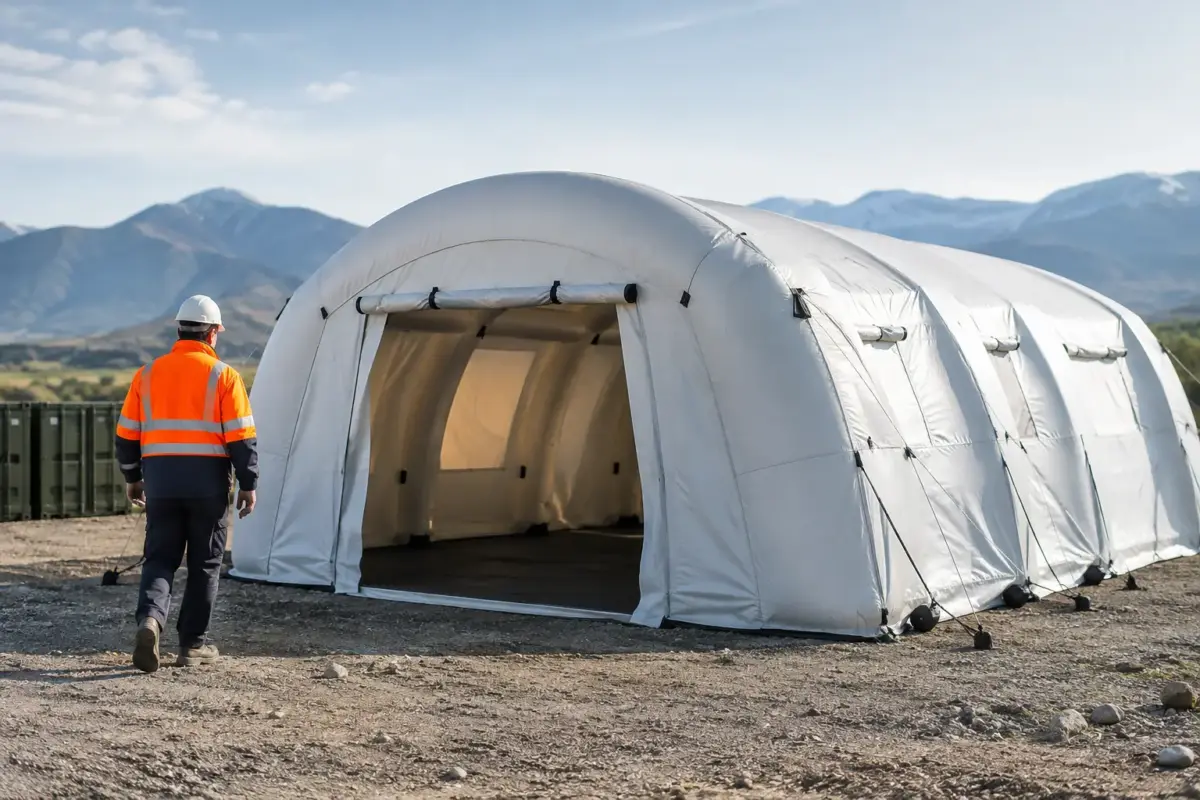
A wet bump-in, a windy oval or a remote worksite can expose the limits of ordinary event gear very quickly. Inflatable shelters give organisers, crews and brands a fast way to create covered, highly visible space without hauling a heavy frame system from site to site. When specified properly, they are more than promotional inflatables – they are practical infrastructure for field operations, activations, first aid, registration, retail and community events.
The key is choosing a shelter built for the job. Size, fabric, inflation system, anchoring points and print finish all affect how it performs once the weather changes and the crowd arrives.
Where inflatable shelters earn their place
An inflatable structure makes sense when speed, portability and visual impact need to work together. A compact branded tent can be deployed beside a race track, on a school oval or at a regional showground with less handling than a conventional framed structure. Larger inflatable buildings can create a defined operational zone for equipment, product displays, medical teams or portable offices.
They are especially effective where an organisation attends recurring events but does not want every setup to feel temporary. Curved inflatable legs and a broad printed canopy create a distinctive silhouette that can be recognised from across a car park or crowded event precinct. That matters when visitors are trying to find a sponsor, club, council service, information point or merchandise stand.
For operational users, the value is just as practical. Emergency response teams, construction contractors and field service crews may need a covered area that packs down into manageable transport bags, fits in a ute or trailer, and can be installed with a small team. The right structure can separate staff from the public, protect equipment from sun and light rain, and make an improvised site look organised from the first hour.
Inflatable shelters are not all built alike
The word “inflatable” describes the structure, not its performance level. Some units are designed for light promotional use in calm conditions. Others use commercial-grade coated fabrics, reinforced connection points, heavy-duty valves and engineered anchoring systems intended for repeated deployment. Treating these products as interchangeable is how buyers end up replacing equipment after a season.
Start with the air system. Constant-air shelters use an electric blower running during operation. They can inflate quickly and are often useful for large promotional shapes, but they need reliable power and the fan remains part of the operating plan. Sealed-air structures are inflated with a pump, then closed off. They are quieter, do not require continuous power and can be better suited to professional events, mobile workspaces and locations where cables or fan noise are a problem.
Neither option is automatically better. A constant-air model may be ideal for a short, supervised activation with easy access to power. A sealed-air shelter can be the smarter choice for a race team, council crew or regional event operator moving between sites. Ask how long inflation takes, what pump or blower is supplied, whether a backup option is available and how the shelter is managed if a valve, cable or power source fails.
Fabric quality deserves the same scrutiny. Look for heavy-duty, weather-resistant material that is suitable for repeated packing, transport and cleaning. Check the stitching around anchor points, doors and wall connections, as these high-stress areas often reveal the difference between entry-level equipment and a commercial product. A shelter that looks sharp in a warehouse but scuffs, leaks or fades after a few outdoor weekends is not a saving.
Get the footprint right before choosing the look
A shelter needs enough usable internal space, not just a generous external measurement. Consider tables, stock, treatment beds, display stands, staff movement and entry points. A first aid team may need privacy screens and room around a stretcher. A marketing team may need a reception counter, product plinths and storage behind the display. A portable office needs seating, power access and a clear route in and out.
Also account for the site around it. Anchoring lines, weights and access doors expand the practical footprint. At a market or trade event, an oversized structure can consume valuable frontage. At a sporting event, a shelter that is too small can leave staff and visitors crowded at the entrance. Measure the allocated site, identify overhead obstructions and check whether vehicles, public walkways or emergency access zones will limit placement.
Anchoring is part of the shelter, not an add-on
The most impressive printed structure is only as dependable as its tie-down system. Australian conditions can shift quickly, and open ovals, waterfronts, showgrounds and hardstand areas often create more wind exposure than expected. Every inflatable shelter should be installed with the supplied anchors, tie-down straps and weights appropriate to the surface and the manufacturer’s instructions.
Grass or soil may allow for correctly sized pegs, provided underground services and venue rules have been checked. Concrete, bitumen and indoor exhibition floors require suitable weight solutions. Sandbags, water weights or purpose-built weighted plates need to be positioned at designated points, not simply placed nearby. If the site cannot be anchored safely, the answer is not to improvise. Choose a different location, reduce the structure size or postpone use.
Weather ratings and operating limits must be read as exactly that: limits. They are not permission to leave a shelter unattended in rising winds, storms or severe weather. Assign someone to monitor conditions during the event, keep entrances and walls configured as recommended, and have a pack-down plan ready before the weather forces the issue. For high-wind sites or long-term outdoor use, a framed marquee or semi-permanent shade solution may be the better fit.
Branding should work from every approach
Inflatable structures offer a substantial print area, which is a major advantage over basic pop-up signage. But large-format branding only performs when the artwork is planned for distance. A logo that looks excellent on a laptop can become unreadable across an oval if it is too small, low contrast or surrounded by too much detail.
Put the most important brand elements where people will naturally see them: on the canopy face, archways and outer legs facing the main approach. Use high-contrast colours and allow enough clear space around the logo. Keep campaign messages short. Event attendees should understand who you are and what you are offering in a few seconds, not have to stop and read a wall of copy.
Dye-sublimation printing is a strong choice for full-colour graphics because it allows the branding to become part of the fabric rather than a surface sticker. It is particularly valuable for sponsors, councils and organisations that need consistent colours across tents, flags, table covers, media walls and banners. Requesting a visual mock-up before production helps confirm logo placement, scale and orientation, especially where multiple panels or entrances are involved.
Plan for the full deployment, not just bump-in
A good shelter package makes life easier at every stage: transport, setup, use, pack-down and storage. Confirm what is included. Pumps or blowers, repair kits, tie-downs, pegs, weights, carry bags, walls and electrical leads can all affect the true cost and readiness of the setup. A spare valve cap or repair patch is inexpensive insurance when the shelter travels frequently.
Training matters too. Your team should know how to unfold the structure on a clean surface, connect the pump or blower, secure the anchors, inspect seams and valves, and pack it away dry. Pushing a wet or dirty shelter straight into its bag invites mould, odour and premature fabric wear. After each event, remove dirt, let the fabric dry completely, check for abrasion and store the equipment away from direct sun and sharp edges.
For organisations running a busy annual calendar, standardising the setup is usually worth it. The same branded shelter, flags, counter covers and directional signage can move from a school carnival to a regional expo or product launch without forcing staff to rethink the presentation every time. It creates a more professional presence and makes setup faster for casual volunteers as well as experienced event crews.
Mountain Shade can help turn that requirement into a practical package, from custom-printed inflatable tents and arches through to flags, weights and display hardware. The best result is not simply a shelter that inflates quickly. It is a shelter that arrives ready, holds its ground, looks sharp and gives your team a dependable base wherever the work takes them.
